
| by Admin
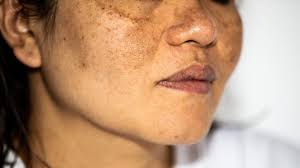
Pigmentation is the natural coloring of the skin, hair, and eyes, primarily determined by the presence of a pigment called melanin. This pigment is produced by specialized cells called melanocytes, which are located in the skin's epidermis.
Pigmentation is the natural coloring of the skin, hair, and eyes, primarily determined by the presence of a pigment called melanin. This pigment is produced by specialized cells called melanocytes, which are located in the skin's epidermis.
Key Points about Pigmentation
Types of Pigmentation
-
Hyperpigmentation:
- This occurs when certain areas of the skin become darker than the surrounding skin due to excess melanin production.
- Common causes include sun exposure, hormonal changes (such as in pregnancy), and skin inflammation or injury.
-
Hypopigmentation:
- This type occurs when there is a decrease in melanin production, leading to lighter patches of skin.
- Conditions such as vitiligo and albinism are examples.
-
Age Spots:
- Also known as liver spots, these are flat, brown spots that develop due to prolonged sun exposure over the years.
Causes of Pigmentation Changes
- Sun Exposure: UV radiation stimulates melanocyte activity, leading to increased melanin production.
- Hormonal Changes: Fluctuations in hormones, especially during pregnancy or while taking contraceptives, can lead to conditions like melasma, characterized by dark patches on the face.
- Skin Conditions: Conditions such as acne, psoriasis, and eczema can result in post-inflammatory hyperpigmentation.
Treatment Options
- Topical Treatments: Products containing ingredients like hydroquinone, kojic acid, or retinoids can help lighten dark spots.
- Laser Therapy: Certain lasers can target and break down excess melanin.
- Chemical Peels: Peels remove the upper layers of skin to promote new, evenly pigmented skin.
- Microneedling: This technique can stimulate collagen production and help improve skin tone.
Prevention
- Sunscreen: Regular application of sunscreen can prevent new pigmentation from developing.
- Protective Clothing: Wearing hats and long sleeves when outdoors can reduce UV exposure.
- Avoiding Tanning Beds: Artificial tanning can also lead to hyperpigmentation.